Tiny 24-hour bookstore by SZ-architects crowns former prison watchtower in China
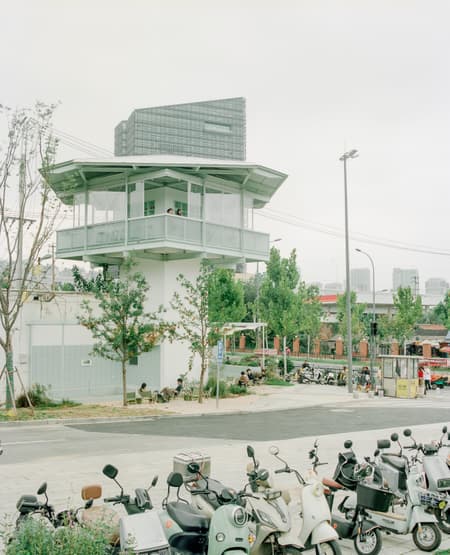
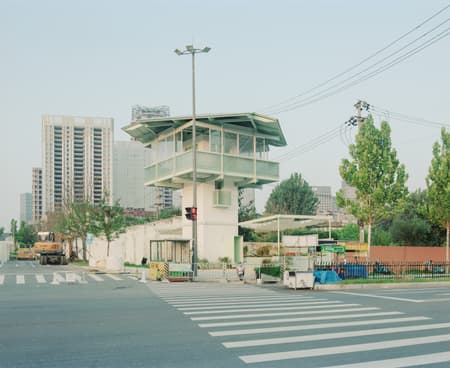
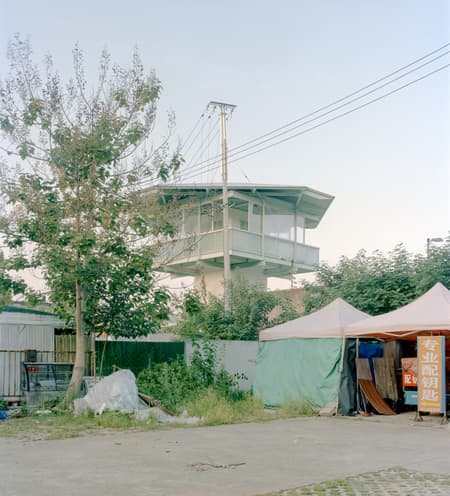
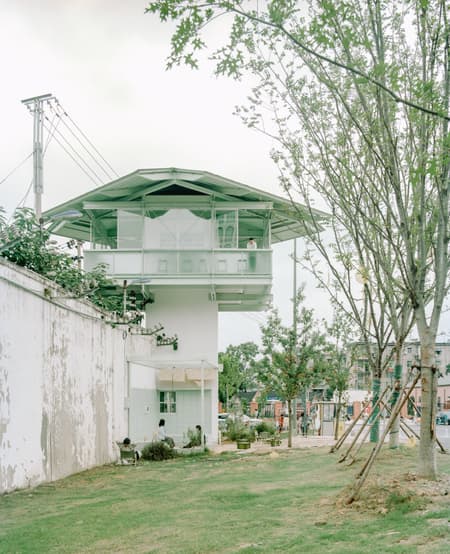
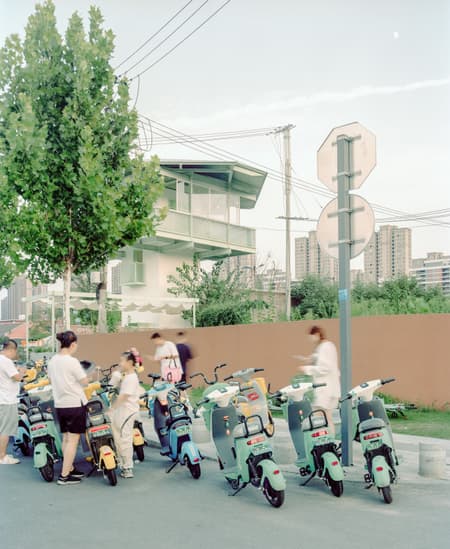
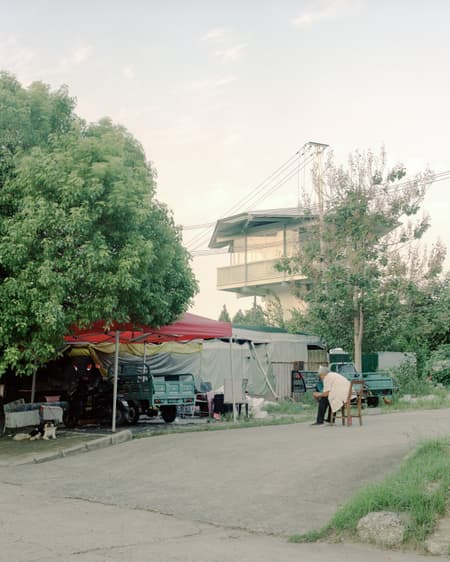
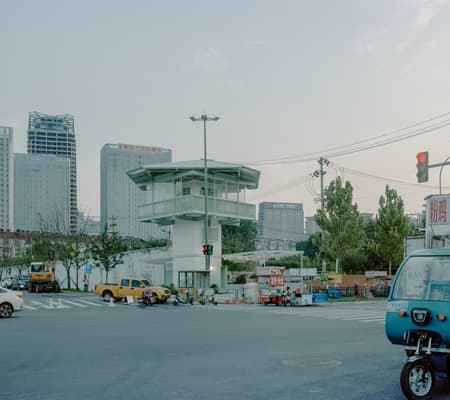
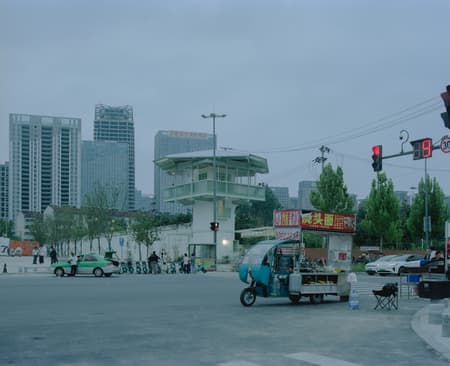
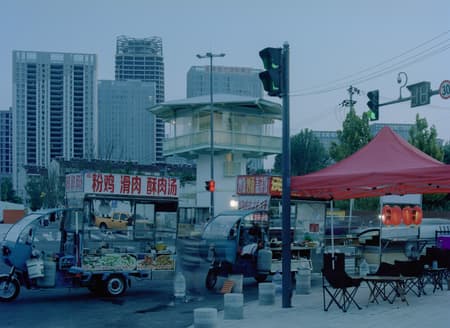
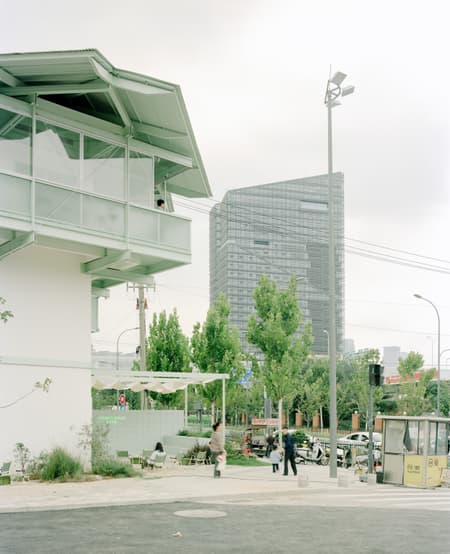
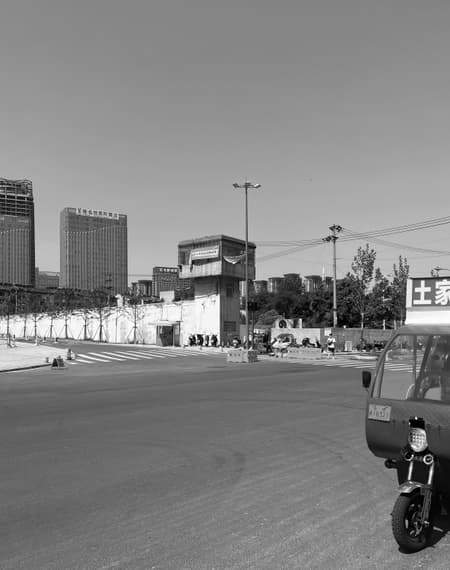
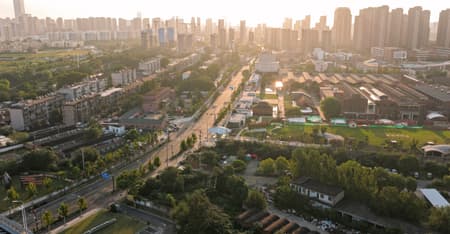
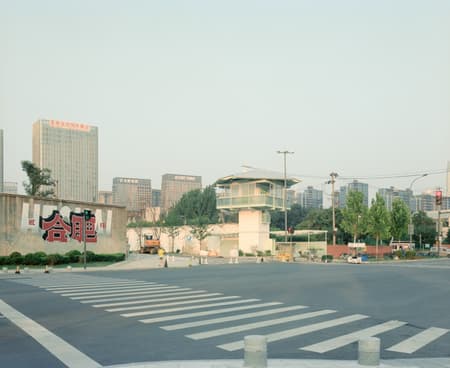
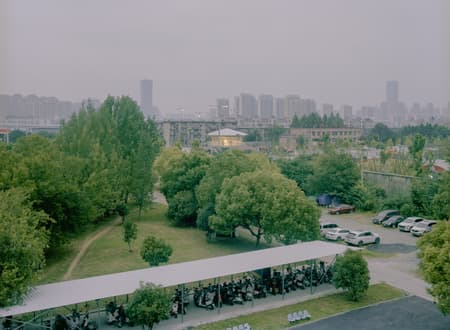
SZ-Architects transforms a former prison guard tower in Hefei, China, into a 70-square-meter, 24-hour bookstore. Titled A Very Small 24-Hour Bookstore, the project reclaims a derelict structure inside the Hechai 1972 Creative Park, once the Anhui Provincial Hefei Prison, and repurposes it as an intimate, publicly accessible reading space for the surrounding neighborhood.
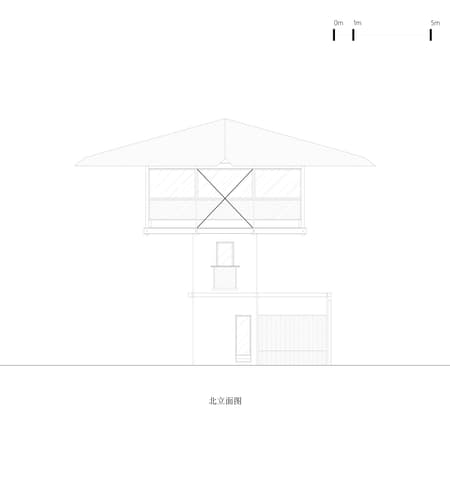
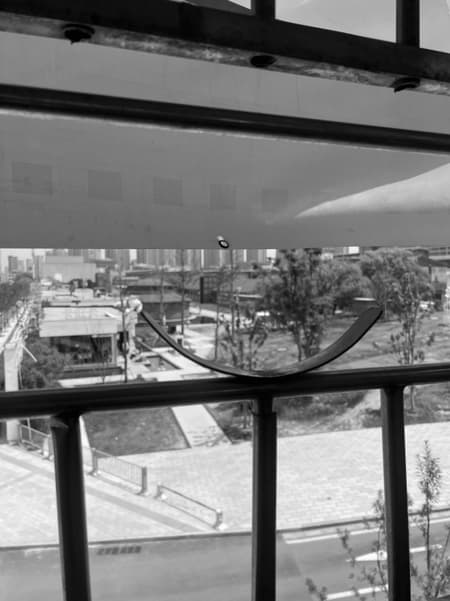
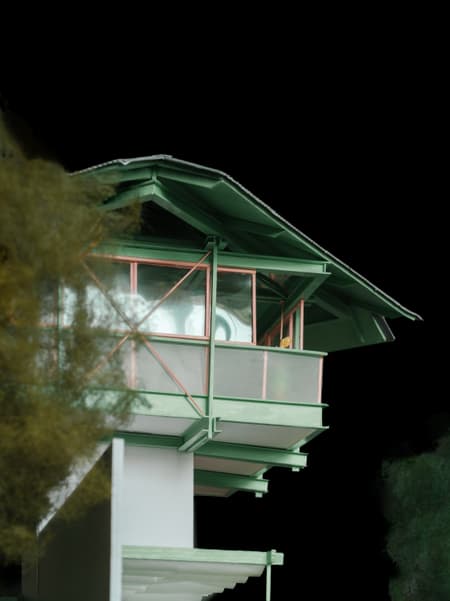
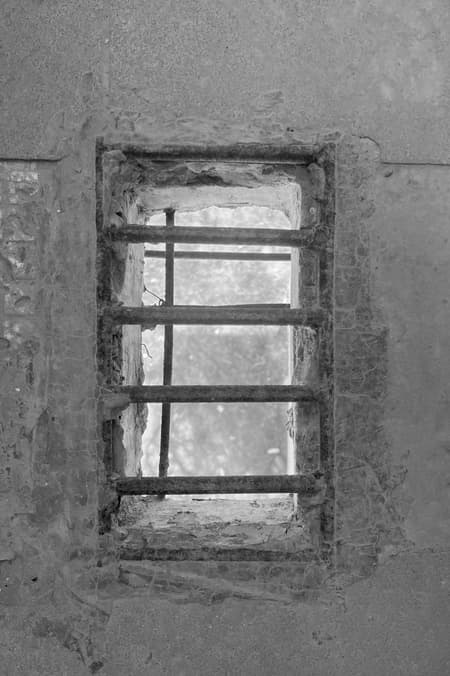
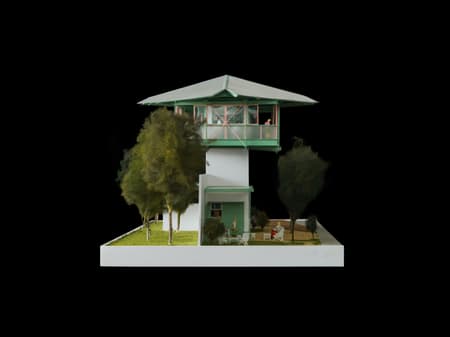
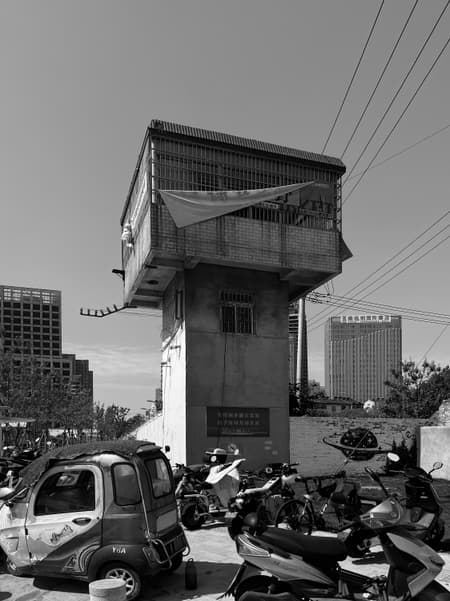
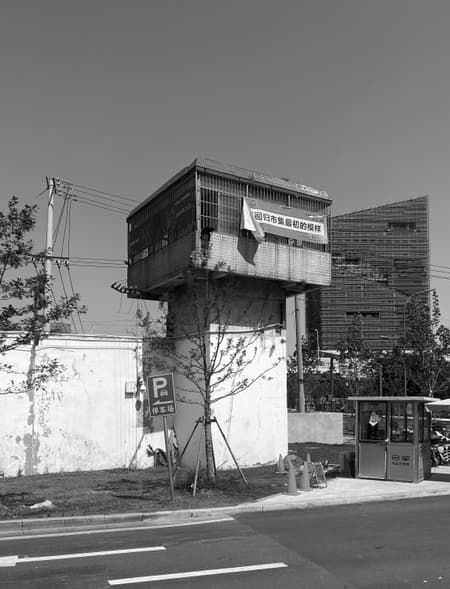
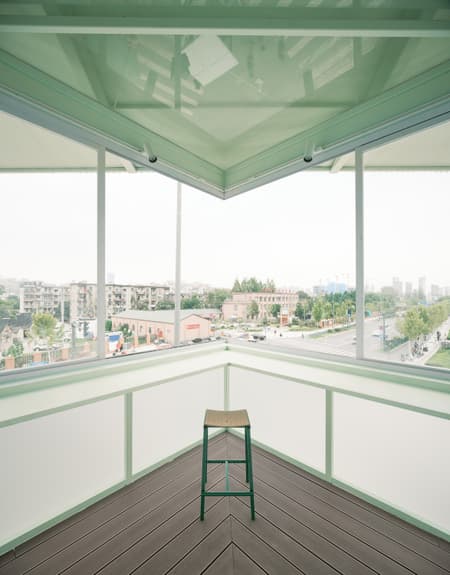
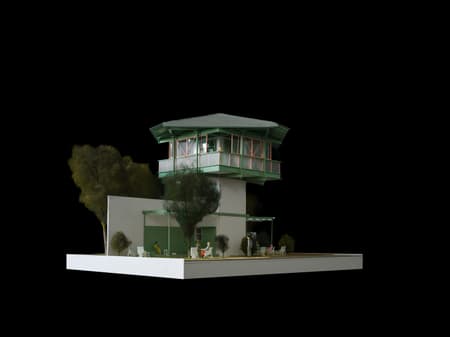
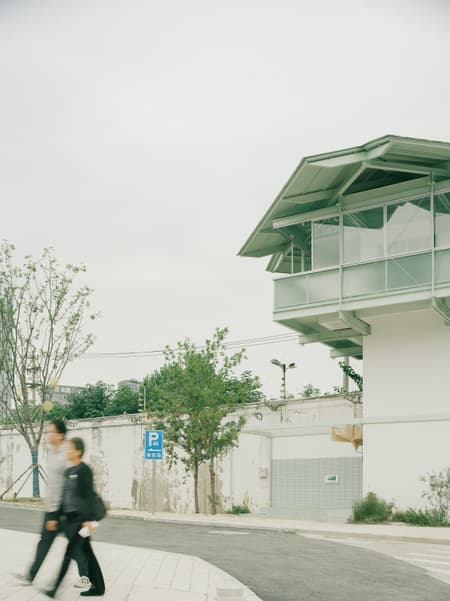
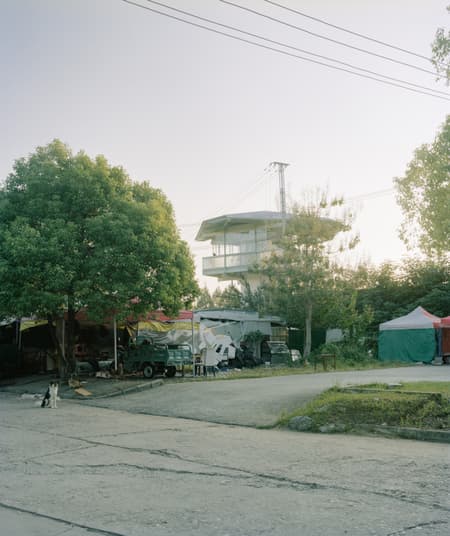
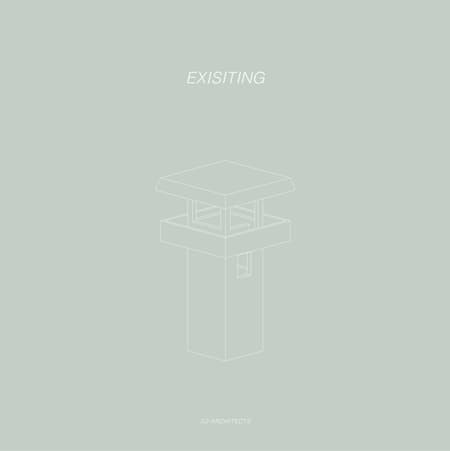
The architects work with the constraints of the building’s past. The footprint of the tower measures just seven square meters on the ground floor, while its former patrol platform on the second level offers panoramic views of the park. Original window grilles, once fitted with machine-gun mounts and observation ports, remain legible, preserving the clarity of the former role of the structure. The new program, a tiny bookstore open at all hours, introduces a radically different rhythm into this formerly controlled and surveilled environment.
A building discovered by chance becomes a 24-hour bookstore
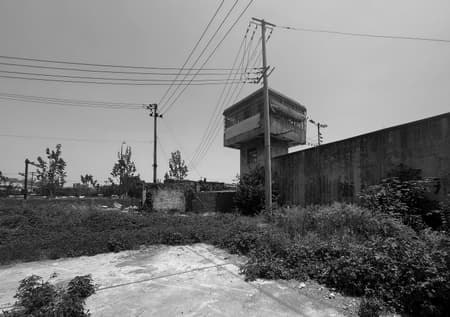
The project began with an accidental discovery. While visiting the site for an unrelated restaurant project, the architects noticed the abandoned guard tower and learned it had been left untouched during the broader renovation of the park. They proposed converting it into a micro-bookstore for local residents, a place that would remain open and unguarded, in contrast to its original function.
This conceptual shift resonates with the philosophy of A Very Small Bookstore, which originated by the Qinhuai River in Nanjing. That bookstore operates on a principle of openness: its books come from personal collections and donations, its walls are covered with handwritten postcards, and its staff consists of four adopted stray cats. Rather than being curated as a commercial destination, it functions as a social archive shaped by its visitors.
Testing and Reinforcement:
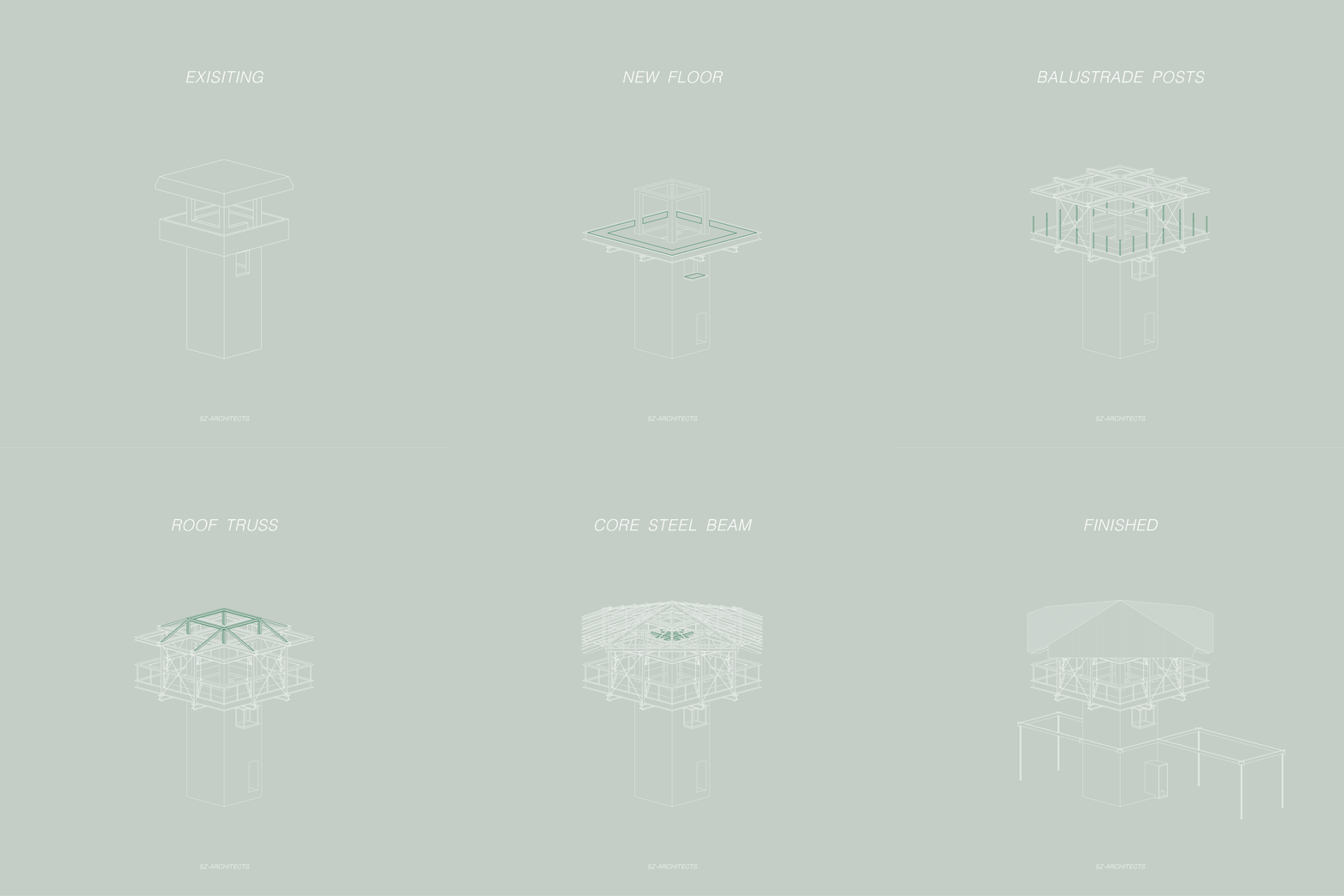
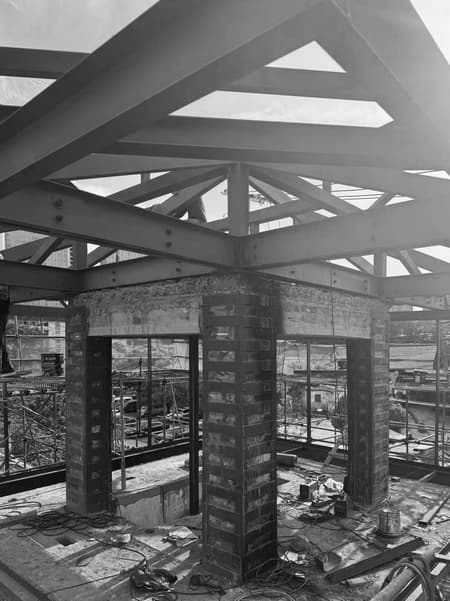
The building was constructed in 1997, and the original drawings could no longer be found, so new geotechnical and structural assessments were required before reinforcing the main structure. The original building’s four corner columns were wrapped with reinforced angle-steel hoops, the second-floor slab was strengthened, and the roof’s concrete beam cross-sections were enlarged, making the overall frame more robust. Parts of the original exterior walls used a high-ductility concrete joint-filling technique to increase strength.
“Suspended” Structural System
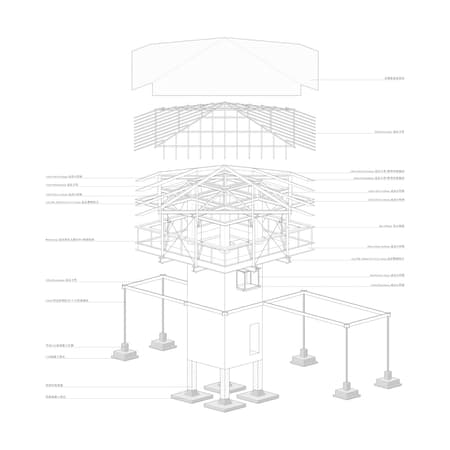
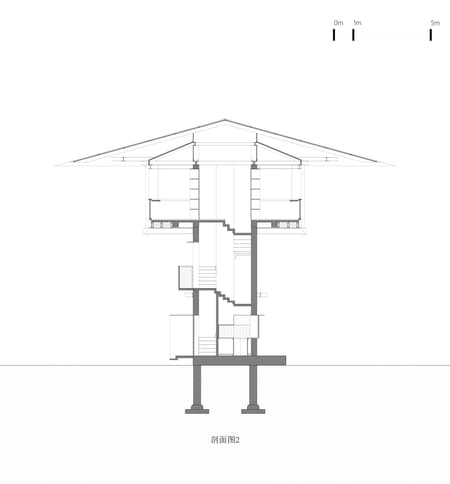
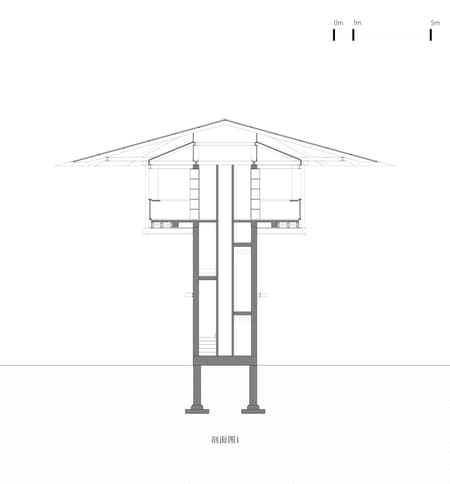
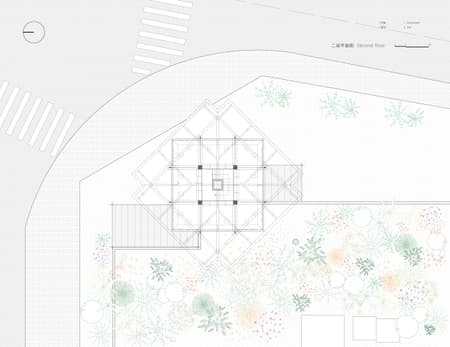
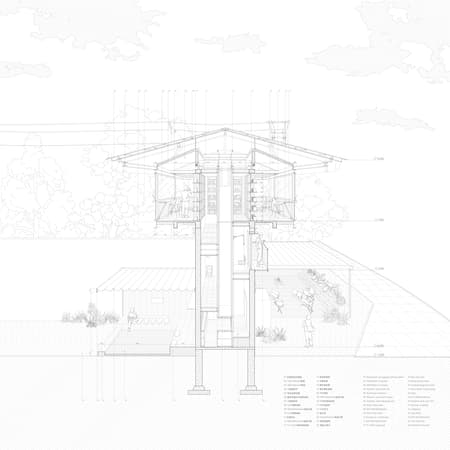
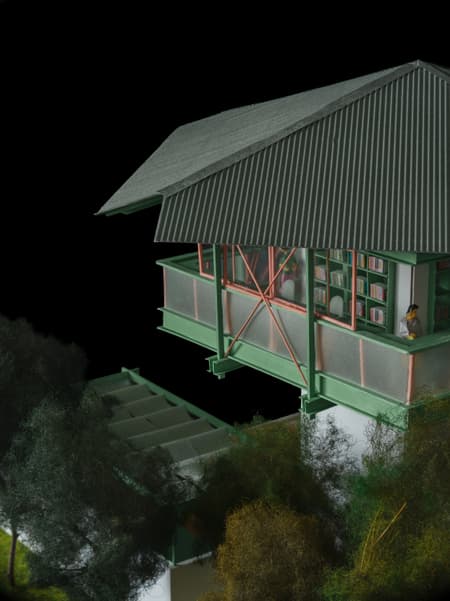
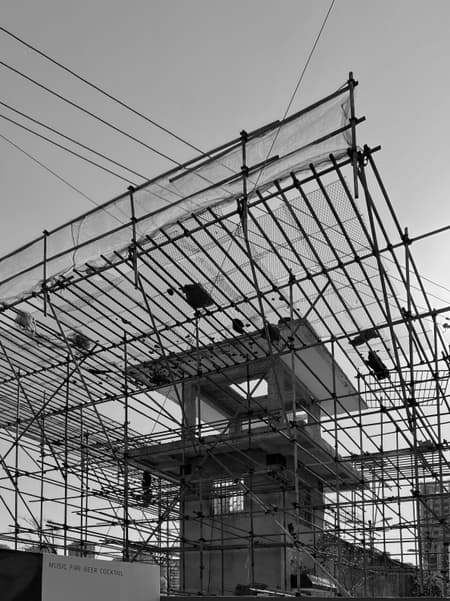
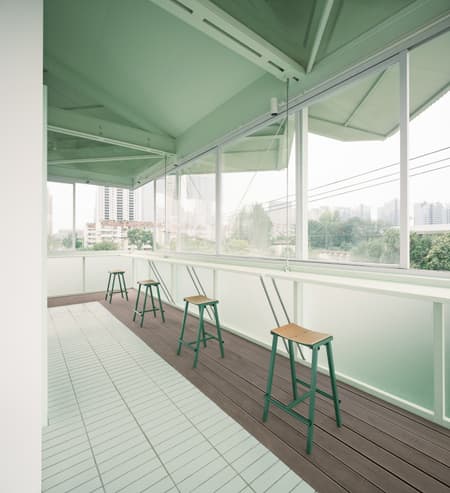
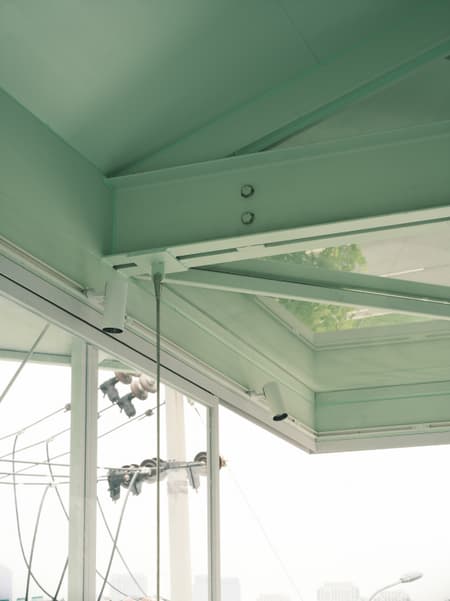
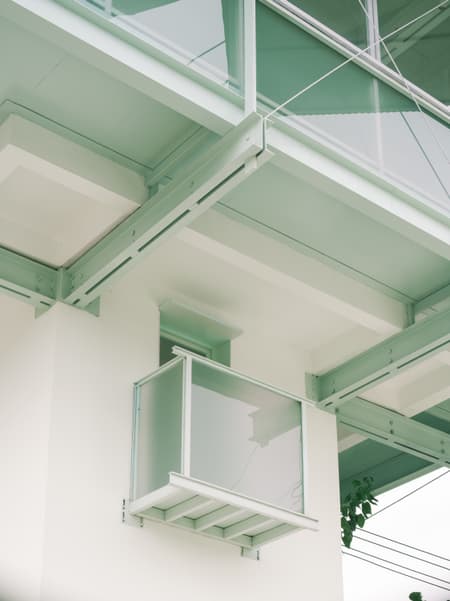
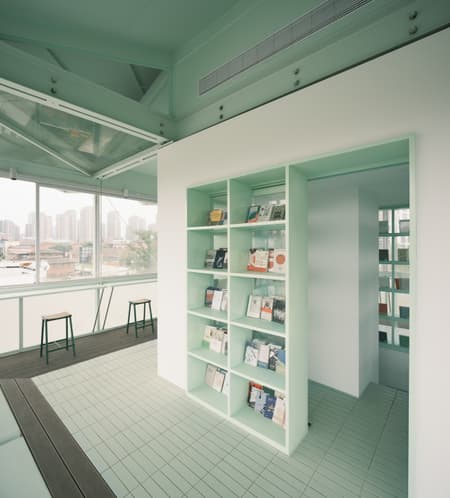
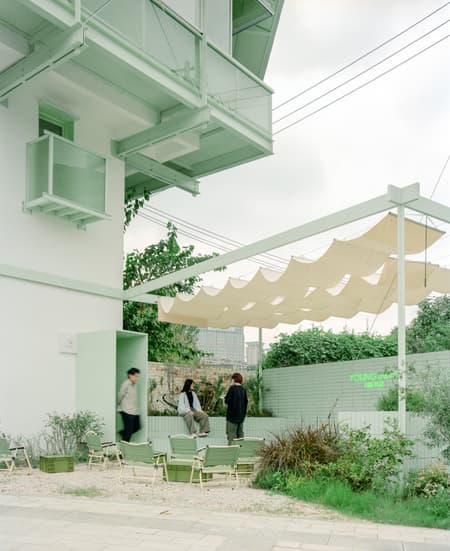
After communicating with the structural design office, in order to minimize the additional load of the new floor while still meeting the new functional requirements, a steel suspended structural approach was adopted for the renovation. On the reinforced original roof concrete beams, eight C-shaped channel sections were laid transversely, extending the projected plan of the corresponding second-floor platform outward to accommodate two-way circulation for two persons abreast and a seated reading area. Two C-shaped channels were paired back-to-back to form an H-section that clamps rectangular solid steel hanger rods extending vertically downward. At the same time, beneath the original second-floor slab’s concrete beams, C-shaped channel sections of the same quantity, size, and model extend from the four concrete corner columns to clamp the solid steel hanger rods, so that the eight channels and the new floor slab are suspended from the roof steel beams, forming an integral and stable steel structural frame. Utilizing the original exterior wall window openings, an externally mounted cantilevered balcony was added to link the interior and exterior.
Design Strategy
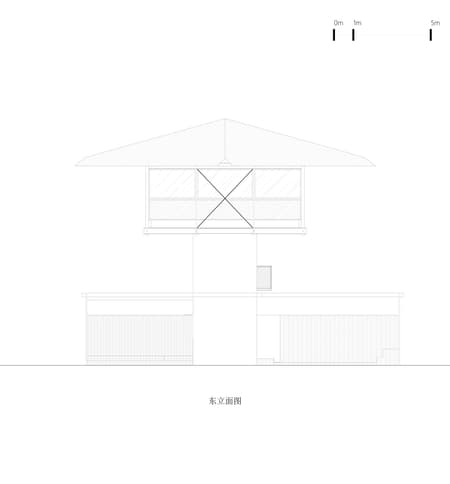
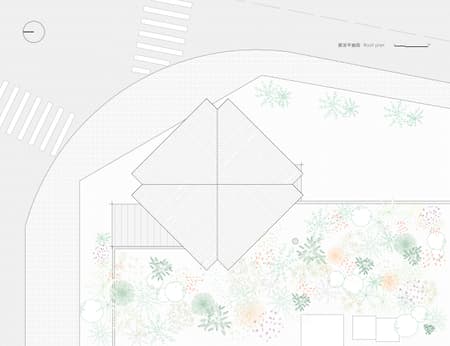
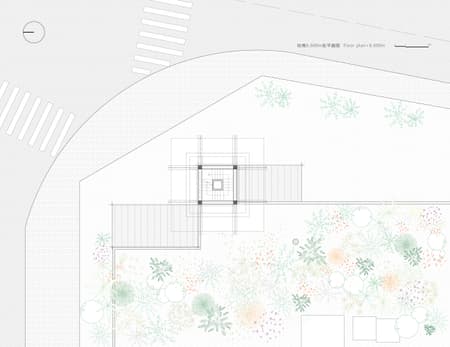
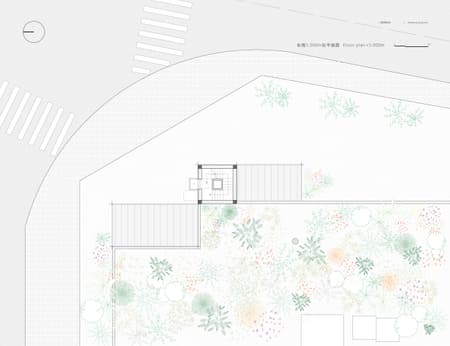
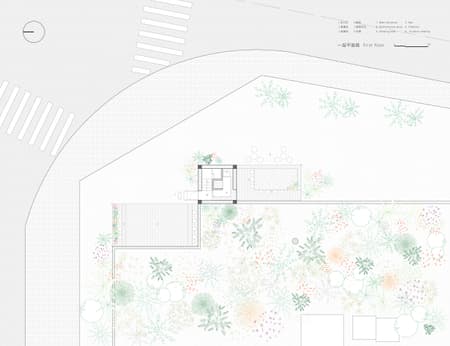
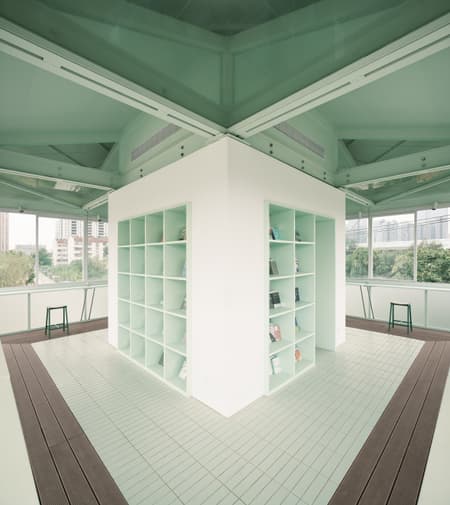
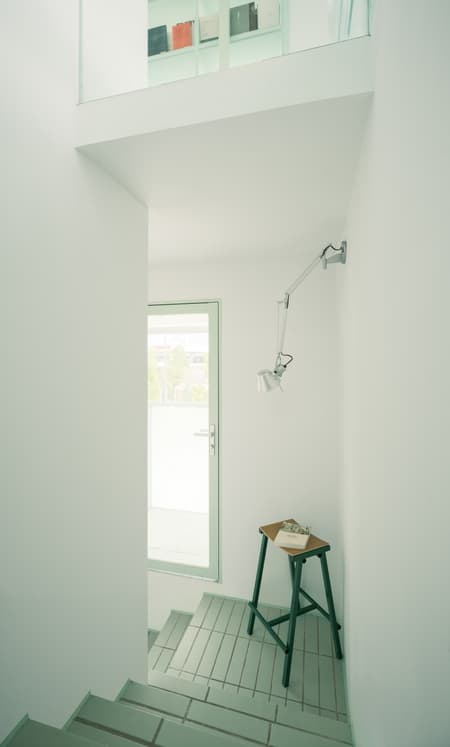
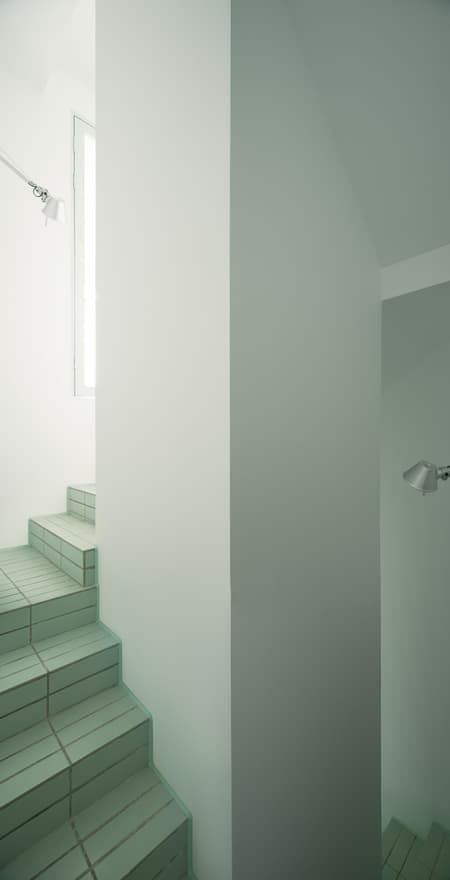
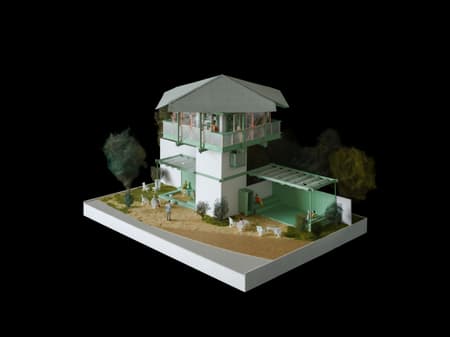
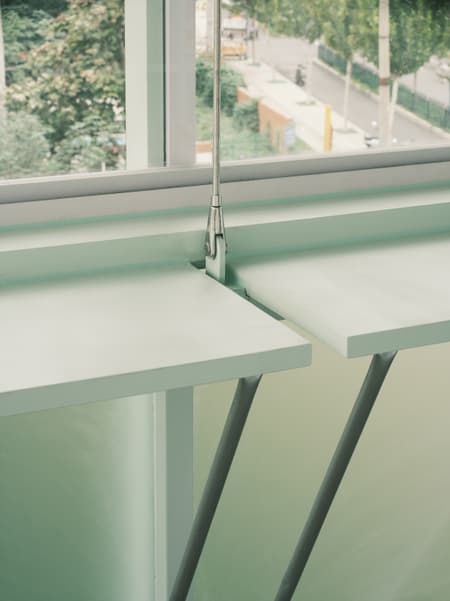
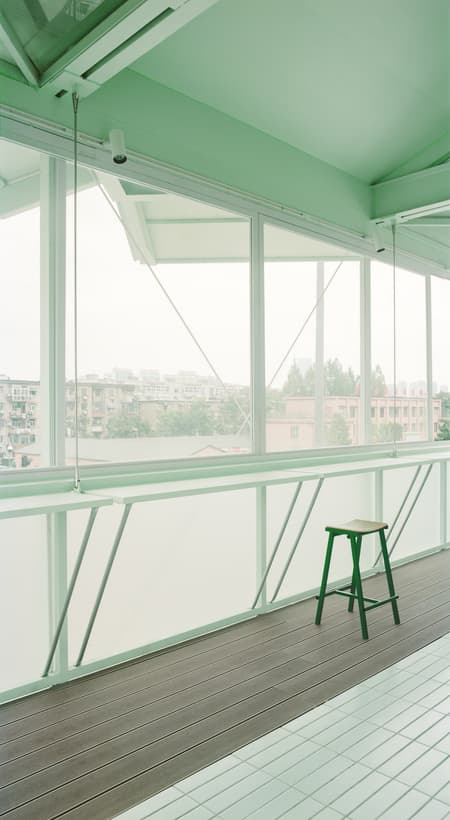
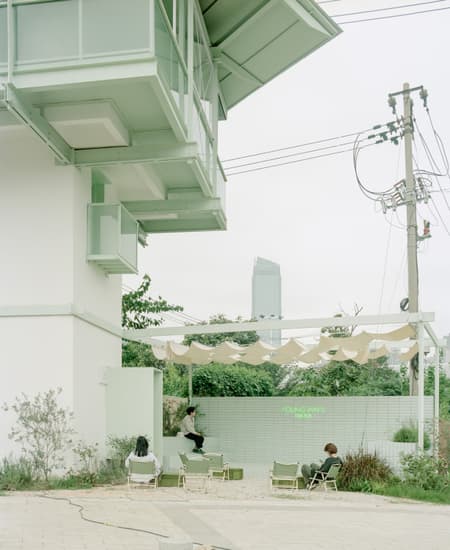
Because two high-voltage cable lines on the west side are too close to the building’s main body, the roof was rotated and then the four corners were trimmed, forming a four-leaf clover shape. The new floor slab uses wood–plastic composite decking laid over the steel structure to reduce load. After removing the low wall below the original second-floor window sills, bookshelves were designed on all four sides. The reading-area desks leverage the primary steel structure, combining the “propping” of scaffolding with the “suspension” of stainless-steel hanger rods. Operable sliding windows were set at the building’s four corners; when opened, they provide unobstructed views. After reinforcing the original staircase, it was enclosed with gypsum board to form an interior service shaft, with the exterior serving as the bookstore’s message wall. An outdoor platform area was added to both the south and north sides, respectively accommodating coffee sales and regular events organized by the bookstore and the park.
Vision
Through a reconstruction of structure, materials, and functions, the former prison guard tower has been transformed into a new place: a very small bookstore, open to everyone in the surrounding neighborhood. Although the walls are blank for now, with time we hope they will once again be covered with little cards, because the sincere words on those cards are the hope in everyone’s heart.








.jpg?w=450&q=75&dpl=dpl_76Rq87wxQwFvSi96M2iBpo5TN6QL)
.jpg?w=450&q=75&dpl=dpl_76Rq87wxQwFvSi96M2iBpo5TN6QL)
.jpg?w=450&q=75&dpl=dpl_76Rq87wxQwFvSi96M2iBpo5TN6QL)
.jpg?w=450&q=75&dpl=dpl_76Rq87wxQwFvSi96M2iBpo5TN6QL)
.jpg?w=450&q=75&dpl=dpl_76Rq87wxQwFvSi96M2iBpo5TN6QL)