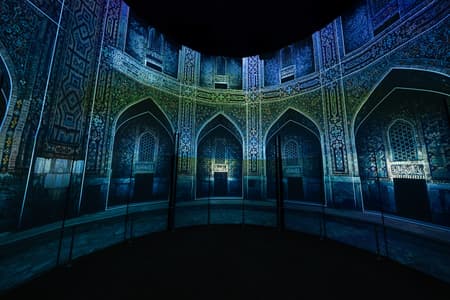
Sustainable architecture for Expo 2025 in Japan: The Uzbekistan Pavilion, designed by ATELIER BRÜCKNER, is now open. Expo 2025 in Osaka runs under the theme “Designing Future Society for Our Lives.” Uzbekistan is presenting itself with “Garden of Knowledge – A Laboratory for a Future Society”, commissioned by the Uzbekistan Art and Culture Development Foundation (ACDF). The pavilion symbolizes a new era for the Central Asian nation, representing growth and future perspectives. Following sustainable principles through the use of natural materials and modular construction, the design has already been awarded Gold at the German Design Award. The exhibition within the pavilion highlights Uzbekistan’s rich history and offers insights into the nation’s science, innovation, and transformation.
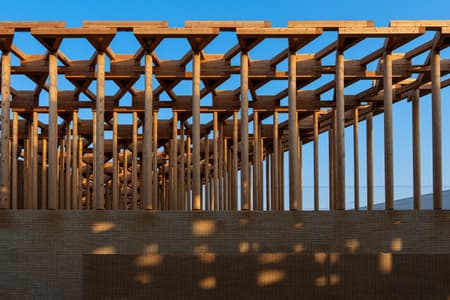
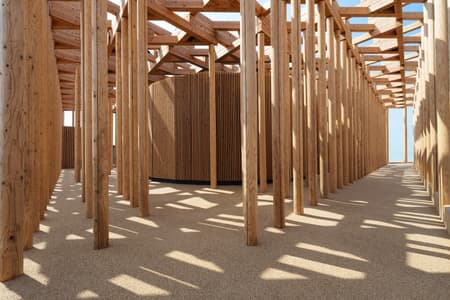
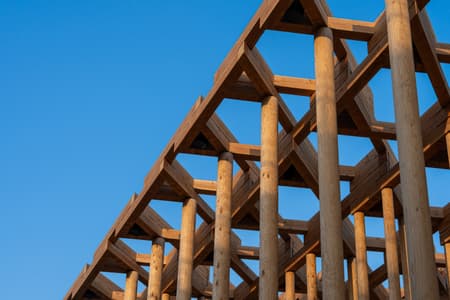
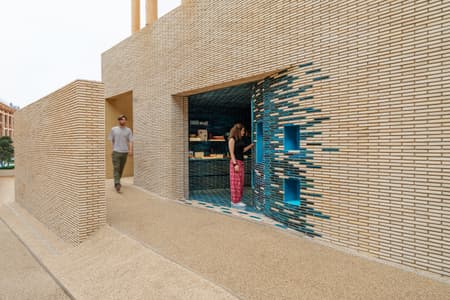
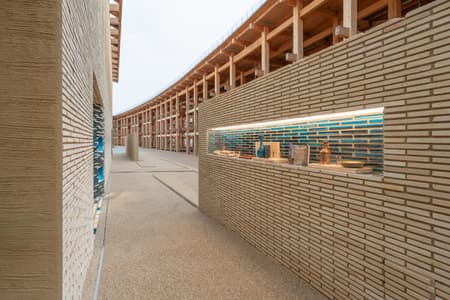
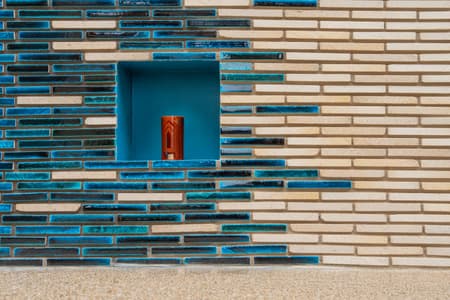
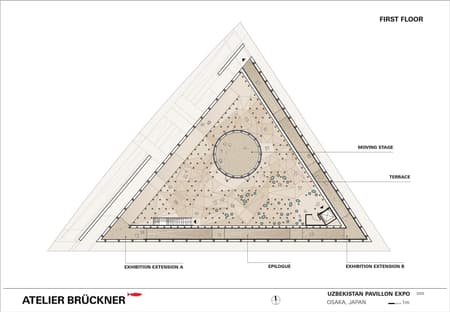
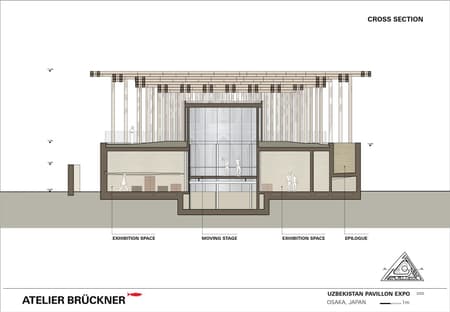
The design of the pavilion reflects Uzbekistan’s traditional craftsmanship, reinterpreted in contemporary and sustainable architecture. The two-story pavilion, with a footprint of 1,272 sqm and around 860 sqm of exhibition space, presents an archetypal snapshot of the Uzbek landscape. The base, made from brick and clay, represents the earth, the roots, and the cultural heritage of the country. The open-air terrace, an 8-meter-tall wooden sculpture, represents the forest: a place of protection and an open space for the exchange of knowledge. The forest of columns references traditional temple and palace architecture, where colonnades shape spaces. The pavilion’s open, transparent, and accessible design leaves room for ideas and development, embodying openness in every direction. All visitors are invited to engage with the country’s ongoing transformation and experience Uzbekistan’s future in the making.
Materials such as wood, clay, brick, gravel, and earth are natural, reusable, and rooted in Uzbekistan’s tradition – reinterpreted in a modern context. After the Expo, they will be fully returned to either biological or technical cycles. The wooden sculpture, for instance, can be dismantled into modular units and reused. Visitors can even trace the exact origin of the wood via smartphone. All the timber used – sugi, a native variety of cypress – comes from regional sources near Osaka.
The Uzbekistan Pavilion presents itself as both a laboratory for a future society and a social learning space. The exhibition focuses on SDGs 4, 7, and 9, demonstrating how sustainability, innovation, and education are driving societal progress. The exhibition mirrors the process of growth: a seed that takes root in the soil, grows, blossoms, and finally bears fruit.
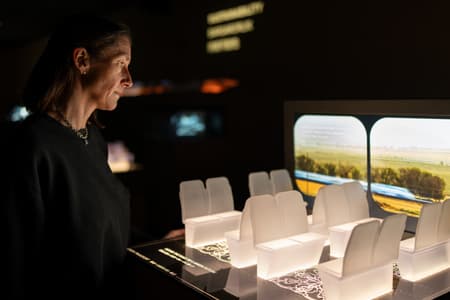
On the ground floor, “The Soil”, exemplary projects make Uzbekistan’s transformation tangible. In the sustainability section, the focus is on the transition to a green economy. Models and interactive media showcase renewable energy initiatives, energy-efficient construction, and sustainable mobility solutions. The innovation section highlights advancements in infrastructure, industry, and urban development – including the New Tashkent