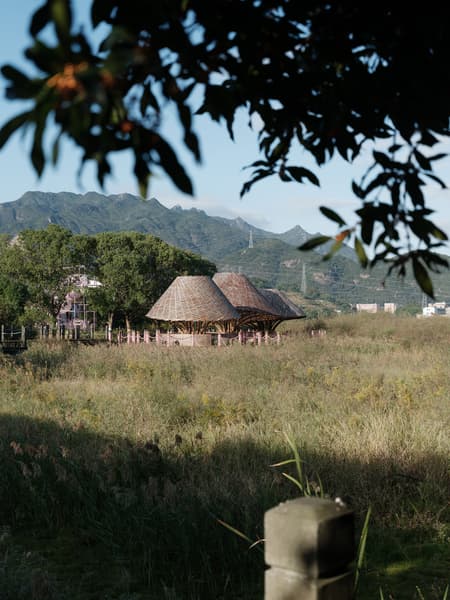
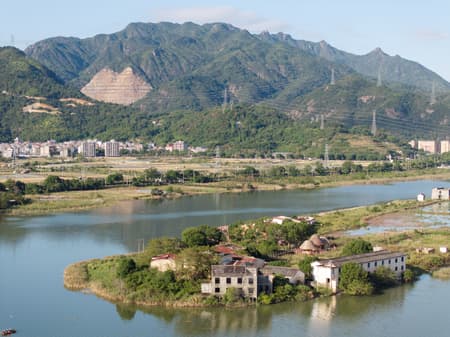
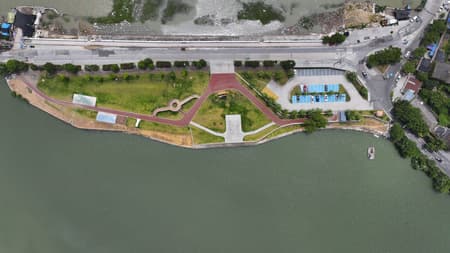
The town of Qingjiang lies between the northern foothills of the Yandang Mountains and Yueqing Bay, with the Furong Pond area at the heart of its regional ecological corridor. Against the backdrop of growing suburban agro-cultural tourism, the project centers on Furong Pond, establishing two key landscape nodes: one at the Ecological Island Wharf and the other at Qingyang Park on the opposite shore. By reviving a short-distance ferry route, the initiative aims to create a distinctive water-based ecological and cultural destination for Qingjiang.
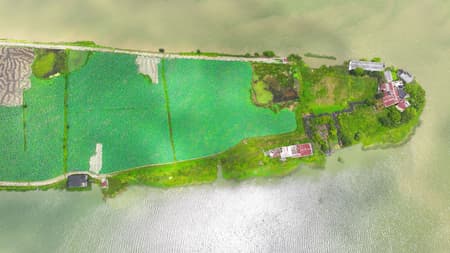
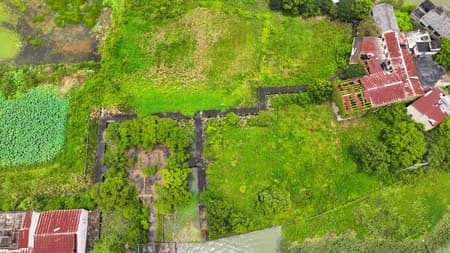
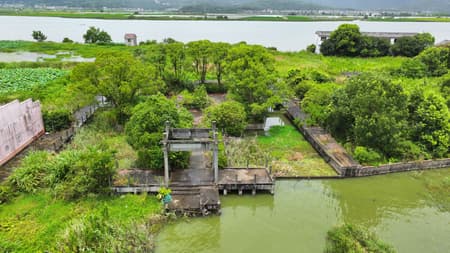
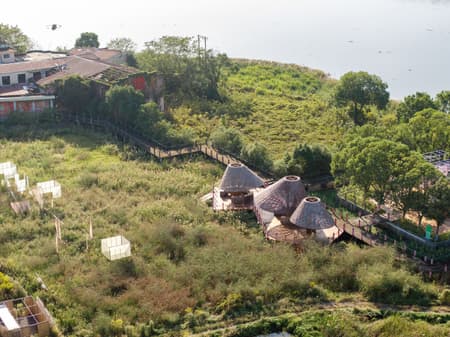
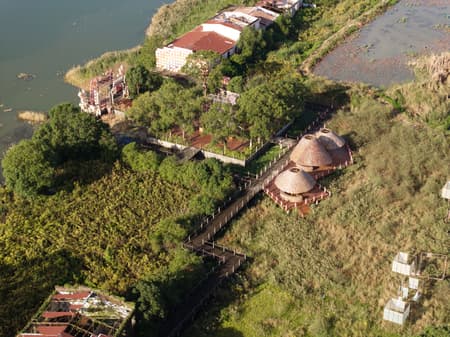
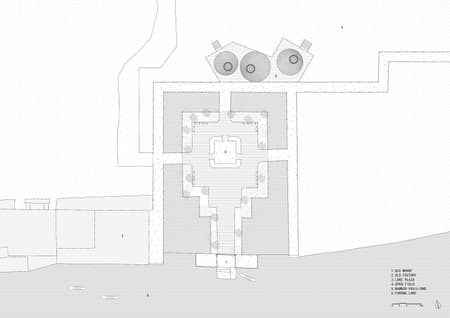
The Ecological Island Wharf was originally a nearly abandoned islet, marked by knee-high wild grass, disused factory buildings, and overgrown lotus ponds. Only an old stone-slab walkway led to a shaded rectangular plaza and a secluded stone wharf. FLIP and the operating team sought to preserve its wild, romantic character and natural textures through minimal intervention. Damaged sections of the walkway were repaired only where necessary, and a raised platform of treated timber was installed over a sunken area of the plaza to connect with the wharf.
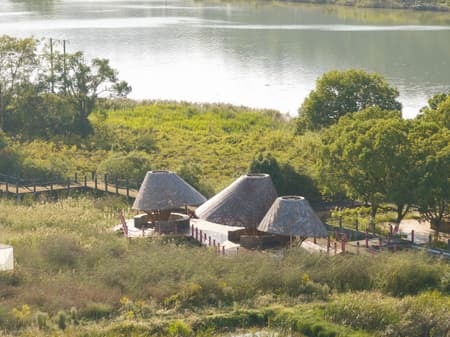
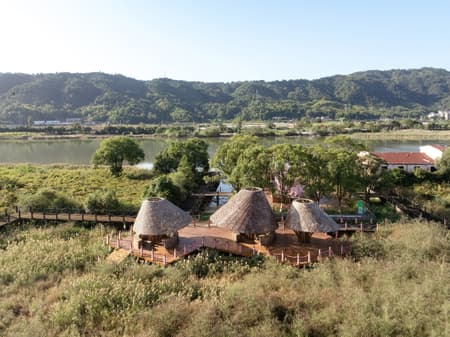
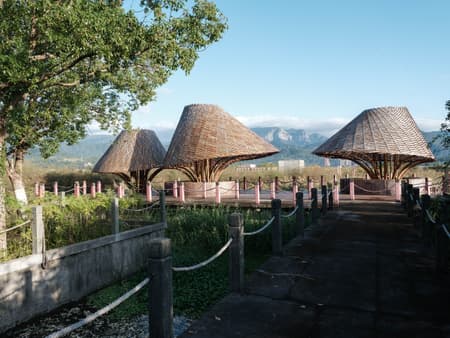
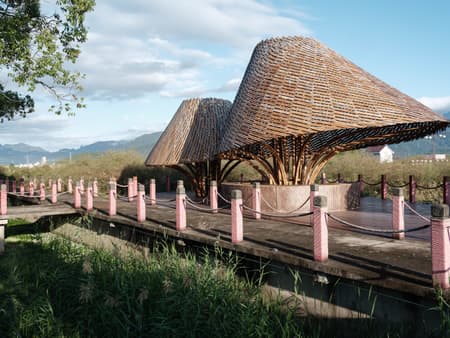
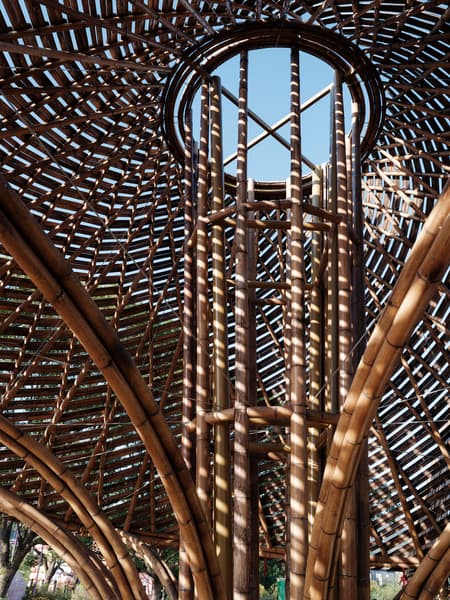
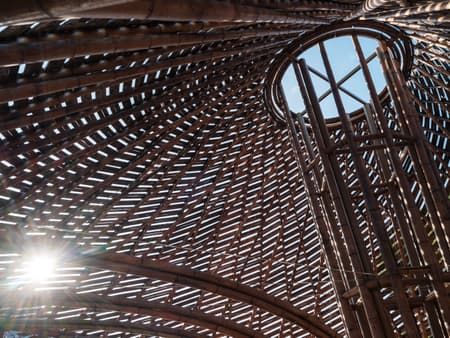
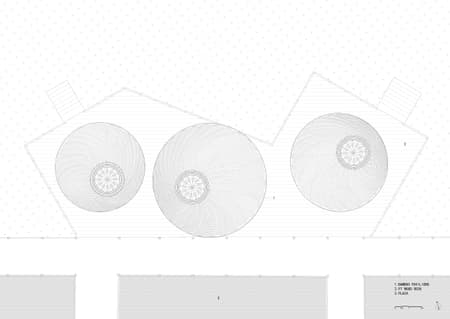
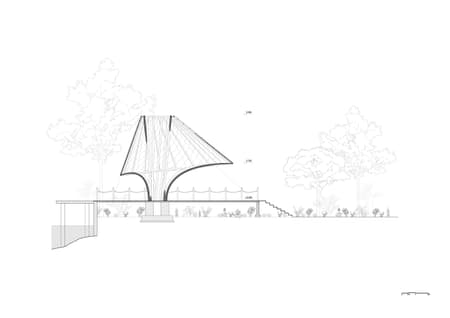
On one side of the plaza stand three bamboo-structured pavilions. Varying in height, their umbrella-like frames support roofs of overlapping bamboo shingles, forming a dappled, natural canopy. The lower bamboo rings tilt as if stirred by the wind, anchored by steel cables and central bamboo structures to create a dynamic silhouette that echoes the distant mountains. Beyond offering shade and shelter, the lower section—featuring island counters clad in bamboo matting—is designed to support future activities such as camping, markets, and events.
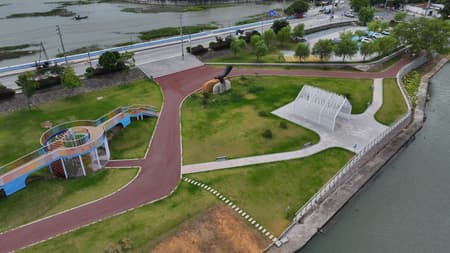
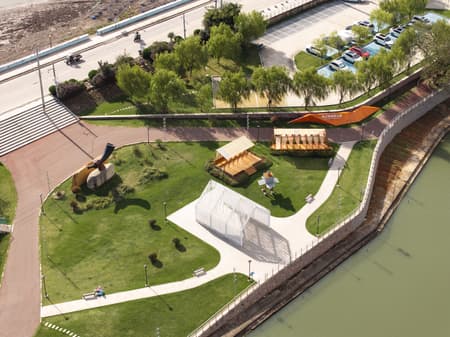
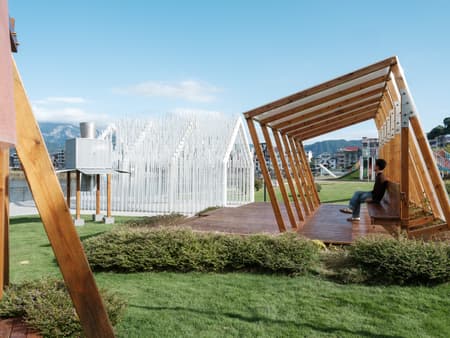
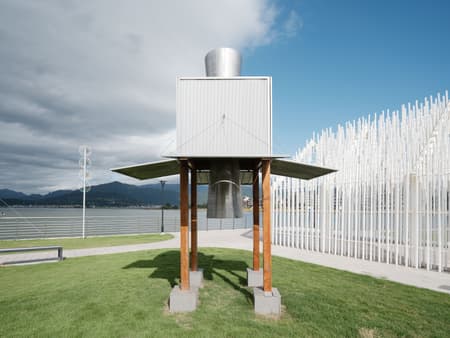
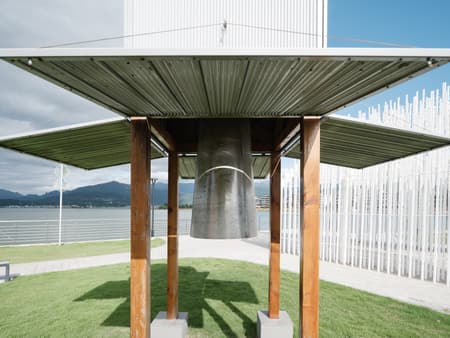
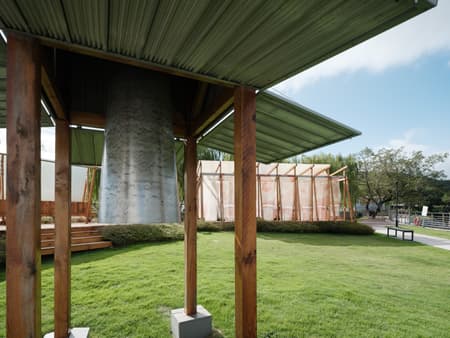
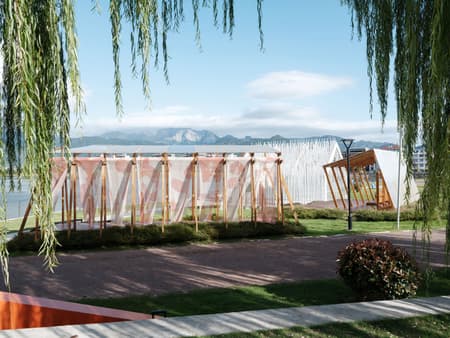
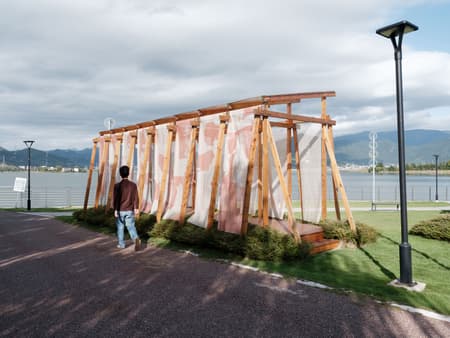
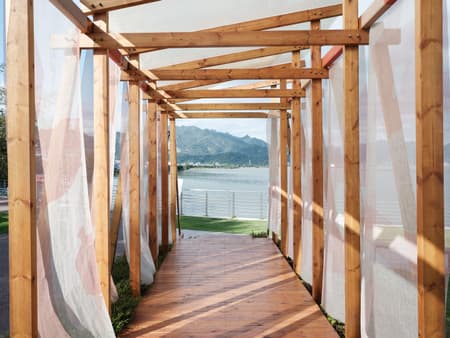
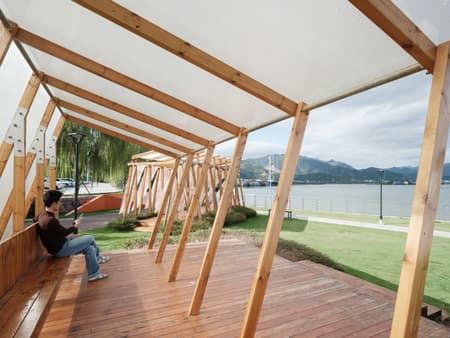
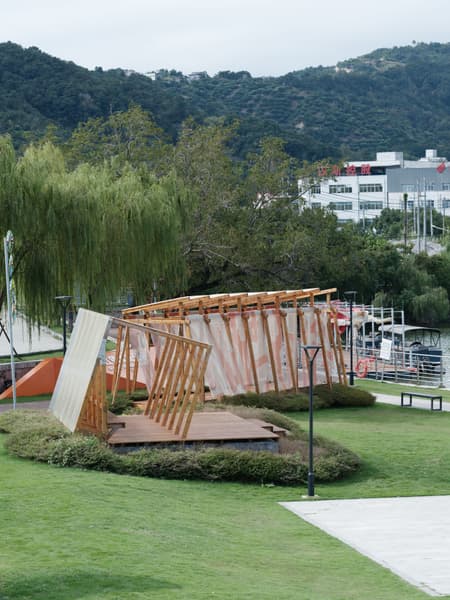
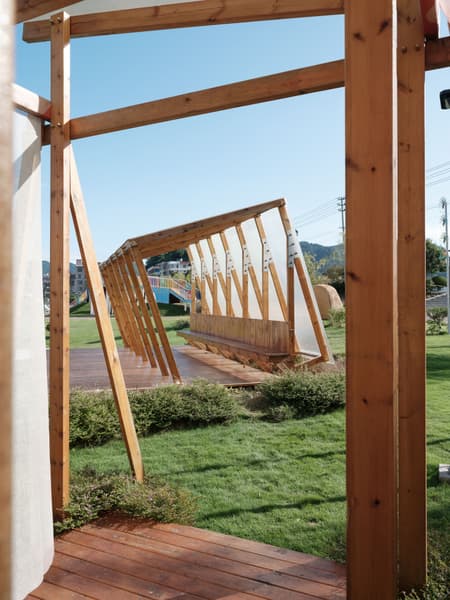
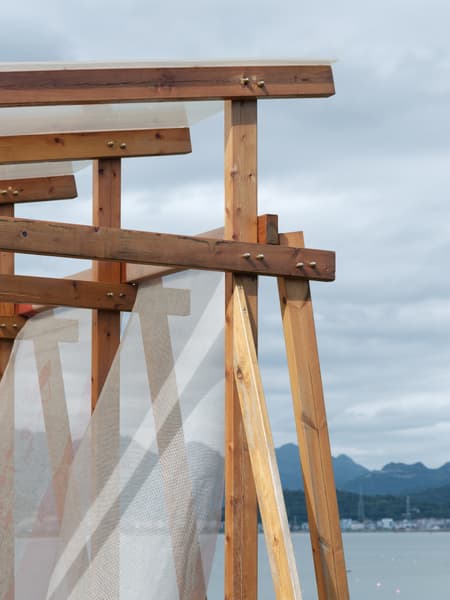
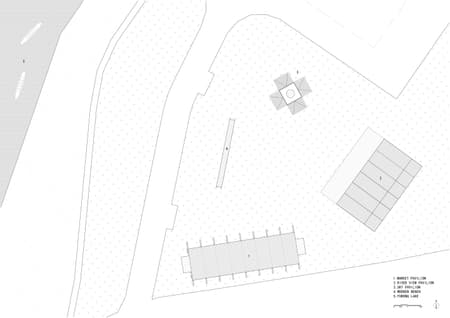
Across the pond at Qingyang Park, a group of wood pavilions has been introduced, drawing on the local seafood market to activate the lakeside public space. Three structures enclose a lawn-facing plaza: one is an art installation built from corrugated aluminum panels and timber; another is a long canopy corridor made of fabric and timber, its frames dynamically framing views of the lake and sky while providing a backdrop for future stalls; the third is a translucent resting pavilion, where a rotated timber cube structure interlaces with a wooden deck, constructed with polycarbonate panels and wood. Though varying in material and form, their functions are complementary. The layout carefully considers sightlines between structures and the framing of natural vistas, weaving human activity closely into the scenery of Furong Pond.
Thus, the memory and wild charm of the once-deserted islet are preserved, while the park's public role is enlivened through inventive structures. The restored ferry link connects both sites, forming an immersive space that blends ecological exploration, cultural experience, and leisure. This represents an ecological translation of wilderness poetry—where nature, memory, and contemporary life coexist.