FELT is a Ghent-based architecture and design studio founded in 2014 by Jasper Stevens and Karel Verstraeten. The collaboration began with Behind the Curtain, the installation that won the Interieur Award at the Biennale Interieur in Kortrijk. That same year, the duo won an Open Call competition for a primary school in Kortemark — a project that would later feature in the Architecture Yearbook Flanders and earn a nomination for the EU Mies Award.
Since then, FELT has built a diverse portfolio of public architecture, recognised through numerous Open Call and competition wins. Notable projects include the restoration and extension of the Leuven City Hall, the award-winning Villa Kameleon and the Artscampus Asse. In 2020, FELT received the ARC Young Talent Award from De Architect (NL), and a year later contributed two projects to Composite Presence in the Belgian Pavilion at the Venice Biennale.
The studio’s work ranges from architecture and urban design to interiors, furniture, and scenography. Across these scales, FELT explores how form, material, and atmosphere shape collective experience. Their first monograph, supported by the Flemish Government and the Flanders Architecture Institute, was published in 2025 — marking a decade of design driven by curiosity, precision, and public engagement.
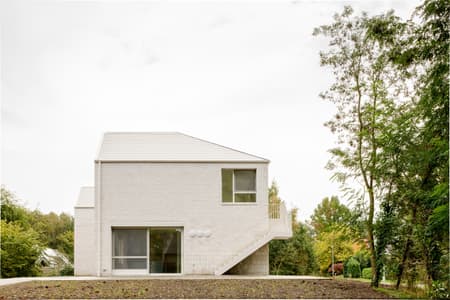
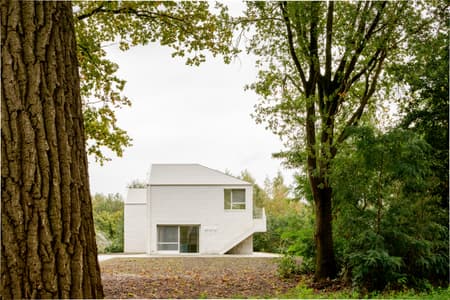
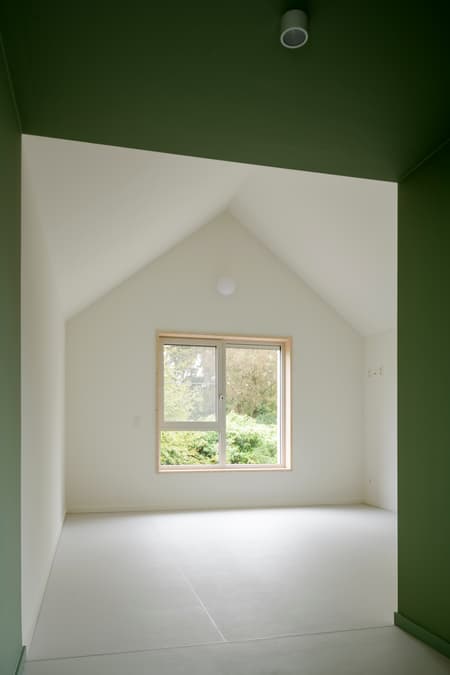
An existing villa forms the starting point for the transformation into a care home for people with mental health challenges. Stripped down to its bare structure, the house loses its roof and finishes, revealing the simple logic of parallel walls. This structure becomes the framework for a new plan, where a generous corridor connects a sequence of independent studios.
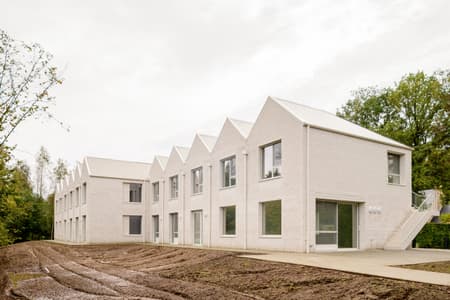
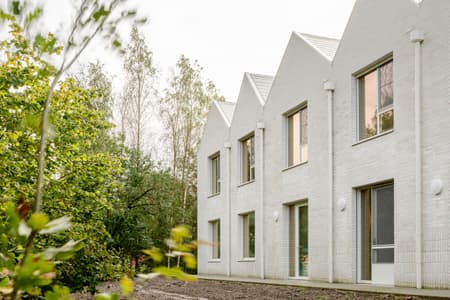
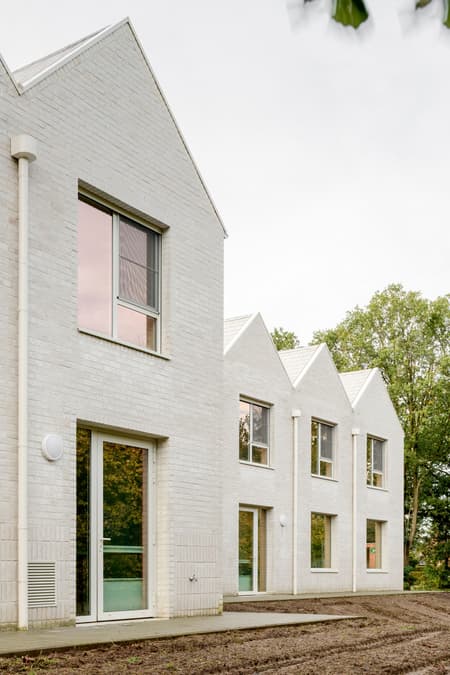
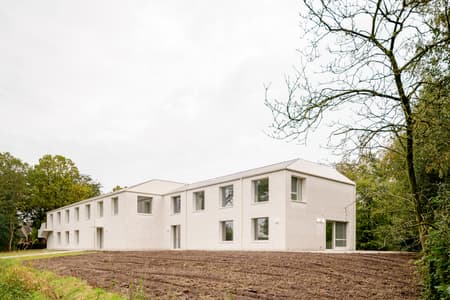
The same concept is extended in a new wing that houses a second commune. Together, they form a double residence, each accommodating eight inhabitants under one roof. The project explores the delicate balance between collective care and individual living, a perpetual tension at the heart of care architecture. Towards the street, the building presents a unified front. At the rear, a rhythmic series of gabled roofs unfolds, each marking the scale of a private room. This repetition creates a layered reading of the building: a cluster of small houses gathered into one collective home.
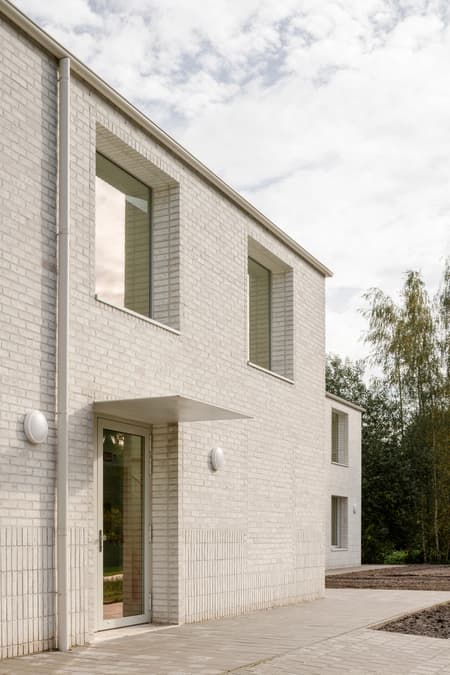
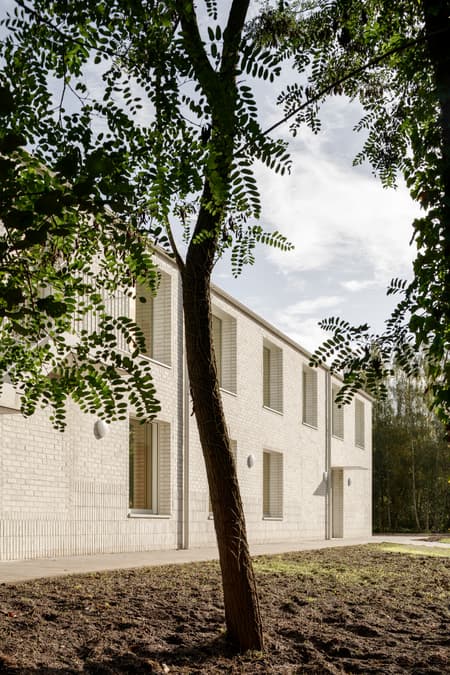
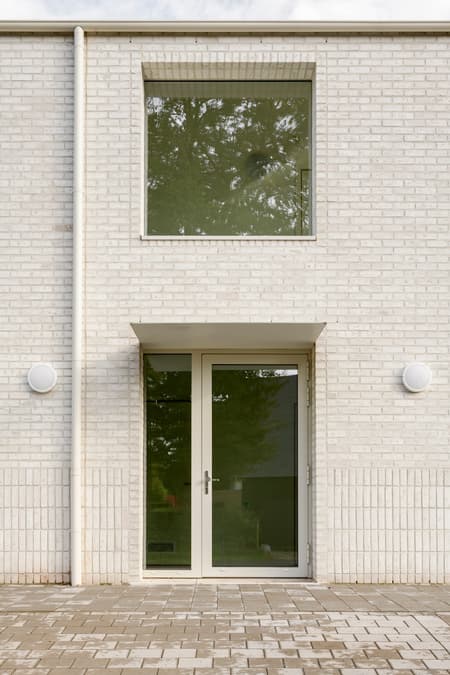
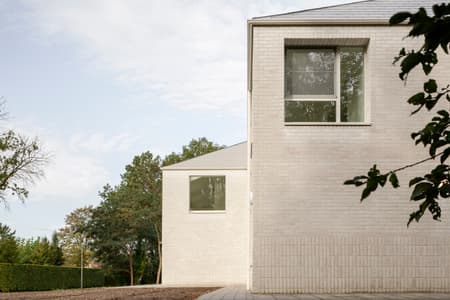
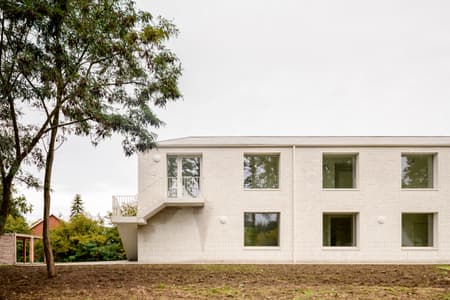
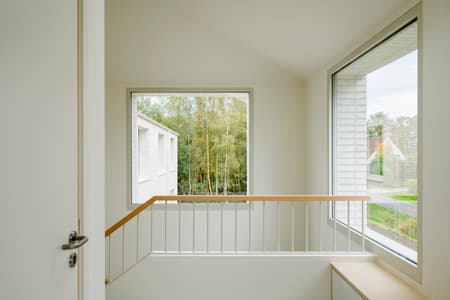
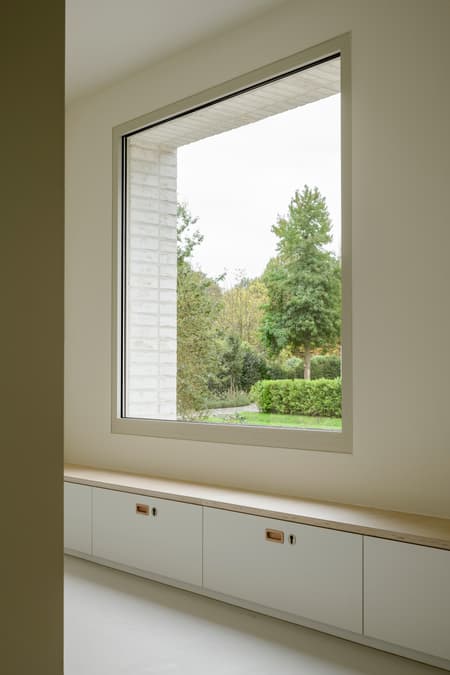
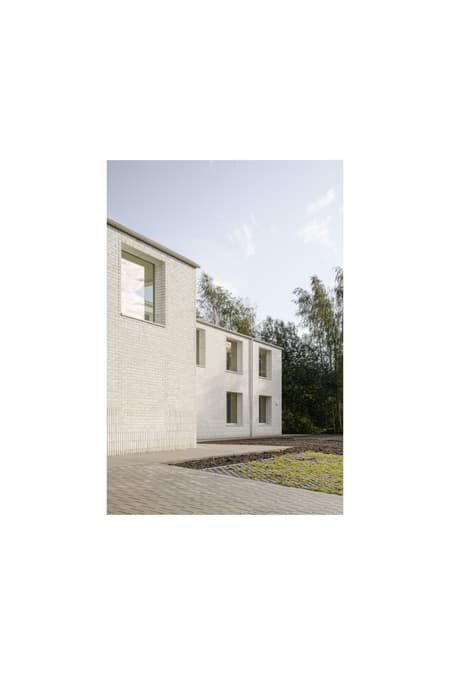
A restrained palette of light grey materials grounds the building in its green surroundings. Brick, slate and finely detailed joinery share the same soft tonality, with even gutters and downpipes absorbed into this muted spectrum. The calm contrast allows the architecture to settle into the landscape while maintaining a clear, confident presence.
The form follows the same quiet discipline. Generous, rhythmic openings frame views of the garden, while the horizontal composition lends the building a composed, almost solemn character. A subtle shift in the façade plane keeps the volume familiar and helps the ensemble integrate naturally into the villa district. The result is a gentle house: clear in structure, measured in expression and thoughtfully attuned to the people who will call it home.